Understanding Your Credit
What Is a Credit Score?
What Affects Your Credit Score?
What Affects Your Credit Score?

A credit score is a three-digit number that represents your creditworthiness — essentially, how likely you are to repay borrowed money responsibly. Credit scores are used by lenders, landlords, insurance companies, and sometimes employers to evaluate financial reliability.
Most credit scores range from 300 to 850:
- 300–579: Poor
- 580–669: Fair
- 670–739: Good
- 740–799: Very Good
- 800–850: Excellent
A higher credit score can help you:
- Qualify for loans and credit cards
- Receive lower interest rates
- Get approved for apartments or homes
- Access better financing options
- Reduce insurance costs
Increase financial opportunities
What Affects Your Credit Score?
What Affects Your Credit Score?
What Affects Your Credit Score?
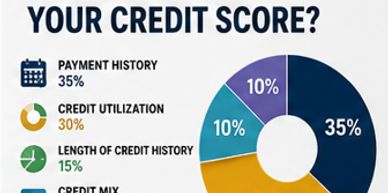
Your credit score is calculated using several important factors:
Payment History – 35%
Paying your bills on time is the biggest factor affecting your score. Late payments, collections, and charge-offs can negatively impact your credit.
Credit Utilization – 30%
This measures how much of your available credit you are using. Keeping balances low compared to your credit limits helps improve your score.
Length of Credit History – 15%
The longer your accounts have been open and managed responsibly, the better for your score.
Credit Mix – 10%
Having a healthy mix of credit accounts, such as credit cards, auto loans, and mortgages, may strengthen your profile.
New Credit Inquiries – 10%
Applying for too many accounts in a short period can temporarily lower your score.
What Is Credit Repair?
What Affects Your Credit Score?
Benefits of Credit Repair
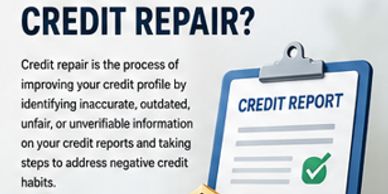
Credit repair is the process of improving your credit profile by identifying inaccurate, outdated, unfair, or unverifiable information on your credit reports and taking steps to address negative credit habits.
Credit repair may include:
- Reviewing credit reports from all three bureaus
- Disputing inaccurate information
- Challenging unverifiable accounts
- Addressing collections and late payments
- Improving payment habits
- Lowering credit utilization
- Building positive credit history
At CDS Gold, we help individuals understand their credit and develop strategies to strengthen their financial future.
Common Credit Report Errors
Millions of consumers have errors on their credit reports that may affect their scores. Common issues include:
- Incorrect personal information
- Duplicate accounts
- Accounts that do not belong to you
- Incorrect late payments
- Outdated collections
- Inaccurate balances
- Identity theft-related accounts
Correcting inaccurate information may help improve your overall credit profile.
Benefits of Credit Repair
How the Credit Repair Process Works
Benefits of Credit Repair

Benefits of Credit Repair
Improving your credit can create opportunities in many areas of life:
Better Loan Approvals
A stronger score can increase your chances of qualifying for personal loans, auto loans, and mortgages.
Lower Interest Rates
Higher credit scores often result in lower monthly payments and reduced borrowing costs.
Increased Buying Power
Good credit can provide access to higher credit limits and improved financing options.
Greater Financial Confidence
Understanding and improving your credit can help you take control of your financial future.
How the Credit Repair Process Works
How the Credit Repair Process Works
How the Credit Repair Process Works
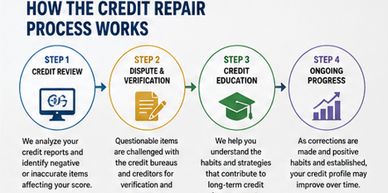
Step 1: Credit Review
We analyze your credit reports and identify negative or inaccurate items affecting your score.
Step 2: Dispute & Verification
Questionable items are challenged with the credit bureaus and creditors for verification and accuracy.
Step 3: Credit Education
We help you understand the habits and strategies that contribute to long-term credit improvement.
Step 4: Ongoing Progress
As corrections are made and positive habits are established, your credit profile may improve over time.
Important Consumer Information
How the Credit Repair Process Works
How the Credit Repair Process Works
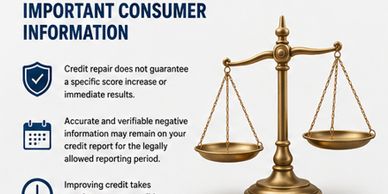
Credit repair does not guarantee a specific score increase or immediate results. Accurate and verifiable negative information may remain on your credit report for the legally allowed reporting period.
Improving credit takes consistency, responsible financial habits, and time.